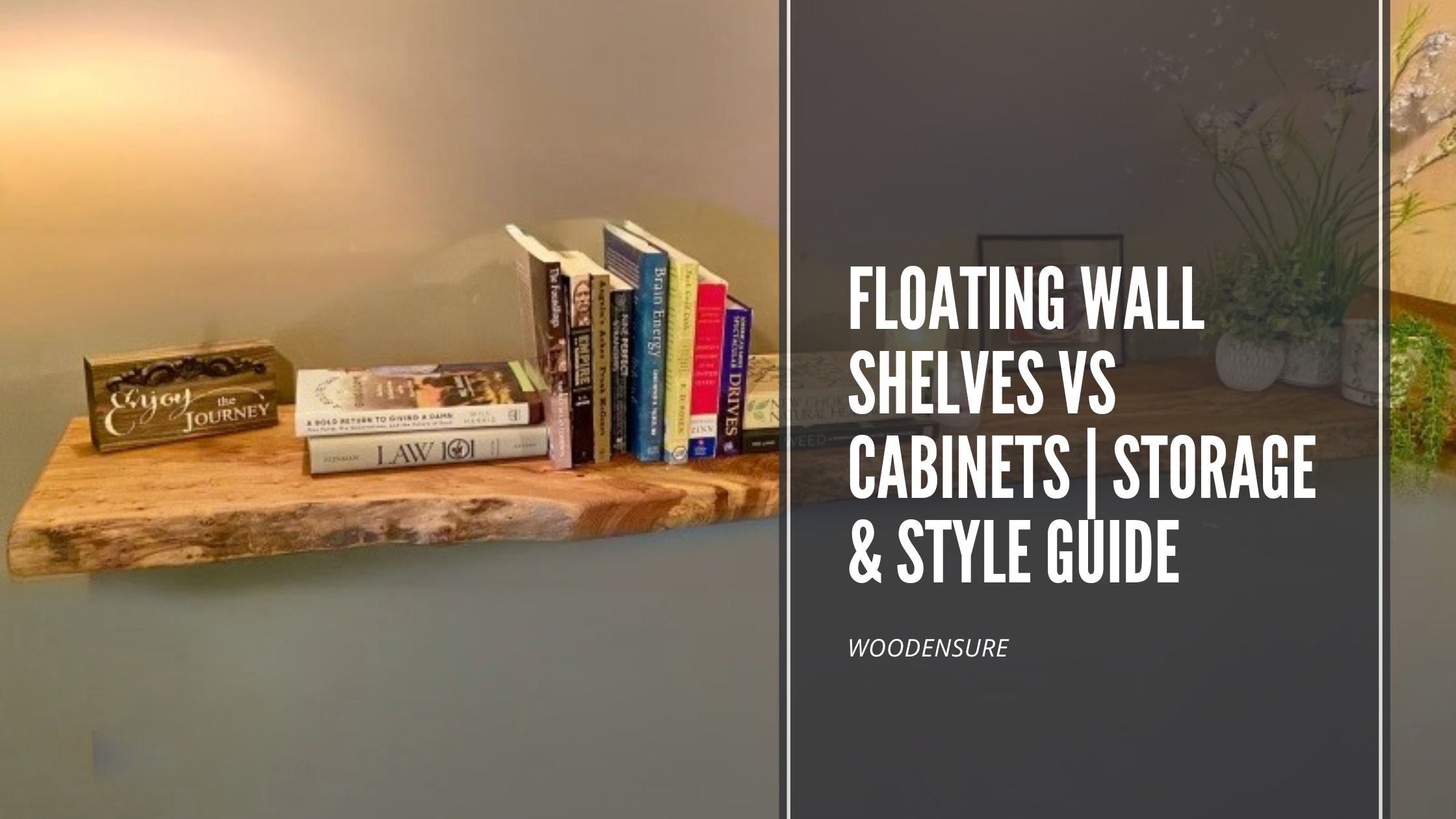
 When it comes to home storage, most people get stuck choosing between floating wall shelves ↗ and traditional cabinets. Both serve the same basic purpose—storage—but the way they impact your space, style, and usability is completely different. If you pick wrong, you either waste space or compromise aesthetics.
This guide breaks it down clearly so you can decide what actually works for your home.
Understanding the Core Difference
A floating shelf is open, minimal, and mounted directly on the wall without visible support. On the other hand, cabinets are enclosed units with doors, offering hidden storage.
Sounds simple—but the real difference shows up in how your space feels and functions.
Space Efficiency: What Works Where
Floating wall shelves are ideal for smaller spaces. Because they don’t touch the floor, they create the illusion of more room. If you’re working with compact layouts, especially in apartments, floating shelves for living room setups help keep things light and uncluttered.
Cabinets, however, take up physical and visual space. They’re better suited for larger rooms where storage needs outweigh design flexibility.
Storage Capacity: Open vs Hidden
Let’s be practical—cabinets win in raw storage. You can hide a lot inside them, including things you don’t want on display.
But that doesn’t mean floating wall shelves are useless. A well-planned floating bookshelf can hold books, decor, and everyday essentials. The difference is visibility—everything is out in the open, so organization matters.
If you’re someone who prefers clean, hidden storage, cabinets make more sense. If you want accessibility and display, go for floating shelves.
Aesthetic Impact: Minimal vs Heavy
This is where floating wooden shelves dominate.
Floating wall shelf designs bring a modern, clean look that works across interiors—from minimal to contemporary. They don’t visually overload the wall, which is why they’re widely used in wooden wall shelves living room styling.
Cabinets, especially bulky ones, can make a room feel heavier. While they offer structure, they often limit design flexibility unless carefully chosen.
Maintenance and Cleaning
Floating shelf ↗ setups are easier to clean but require discipline. Since everything is visible, dust and clutter show quickly.
Cabinets hide the mess—but they’re harder to clean inside and often become dumping zones for unused items.
So the question is simple: do you want visible discipline or hidden chaos?
Installation and Flexibility
Floating shelves are easier to install and reposition. You can experiment with layouts, heights, and arrangements without major effort. This flexibility makes floating shelves living room styling more dynamic.
Cabinets are more permanent. Once installed, moving them is a hassle. They require more planning and commitment.
Cost Comparison
In most cases, floating shelves are more budget-friendly. A set of wooden floating shelves costs significantly less than full-sized cabinets.
Cabinets involve more material, labor, and installation costs. If budget is tight, floating wooden shelves offer a strong balance between cost and functionality.
Best Use Cases for Each
Choose Floating Wall Shelves If:
- You want a modern, minimal look
- You’re working with limited space
- You need display + light storage
- You prefer flexibility in design
Choose Cabinets If:
- You need heavy storage capacity
- You want to hide clutter
- You have larger rooms
- You prefer a structured setup
Smart Hybrid Approach (Most People Ignore This)
Here’s the practical move—use both.
Combine cabinets for heavy storage and floating wall shelves for display. For example, use cabinets at the base and install a floating bookshelf above for decor and frequently used items.
This hybrid approach gives you the best of both worlds—function + style.
Common Mistakes to Avoid
- Installing too many floating shelves and overcrowding the wall
- Choosing cabinets that are too bulky for the room
- Ignoring weight capacity of a floating shelf
- Mixing too many finishes, ruining visual consistency
- Treating floating shelves as pure storage instead of design elements
FAQs
1. Are floating wall shelves strong enough for daily use?
Yes, if installed properly, floating wall shelves can handle books, decor, and everyday items without issues.
2. Which is better for small spaces—cabinets or floating shelves?
Floating shelves for living room and small spaces work better because they don’t occupy floor area.
3. Can floating shelves replace cabinets completely?
Not entirely. Floating shelves are better for display and light storage, while cabinets are essential for bulk storage.
4. What material is best for floating shelves?
Wood is a top choice. Wooden floating shelves offer durability, strength, and a premium look.
5. How do I style a floating bookshelf effectively?
Keep it minimal, use balanced groupings, and leave enough empty space to avoid clutter.
Final Verdict
If your priority is modern design, flexibility, and space-saving, floating wall shelves are the smarter choice. If storage volume and concealment matter more, cabinets still have their place.
But the smartest homes don’t choose one—they combine both strategically.
If you’re planning to upgrade your interiors with high-quality wooden floating shelves that balance durability with design, explore Woodensure ↗. Their range of floating wall shelves is built for modern homes that demand both function and aesthetics.
Contact Woodensure today to find the right floating wall shelf solution for your space.